
Home Tracheostomy Equipment
All this equipment may seem overwhelming in the beginning, but most parents quickly become experts in their child’s care.
Tracheostomy Supplies
- Tracheostomy tubes

- Tracheostomy tube (one size smaller)
- Trach tube ties

- Dressing supplies, gauze
- Hydrogen peroxide, sterile water, normal saline
- Water soluble lubricant such as Surgilube or KY Jelly
- Blunt-end bandage scissors

- Tweezers or hemostats

- Sterile Q-tips
- Trach care kits

- Luer-Lok tip syringes for cuffed trach tubes
Suction Equipment
- Suction machine

- Suction connecting tubing
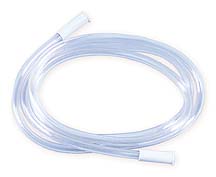
- Suction catheters and or Suction Catheter kits
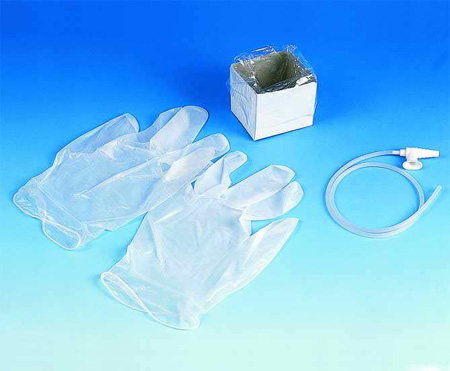
- Normal saline solution
- Sterile jars with screw tops (sterile specimen containers or sterilized baby food jars work well)
- Saline ampules (“bullets“)

- Bulb syringe

- DeLee suction trap or syringe with catheter

- Hand-powered Suction Devices A simple yet efficient suction unit for first responders, and a reliable backup for emergency healthcare providers.
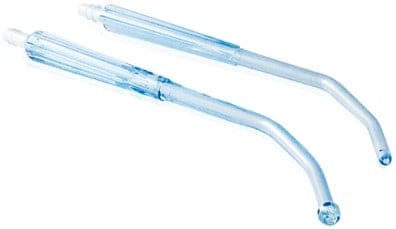
- YanKauer Suction Handle
Humidification System
- Air compressor
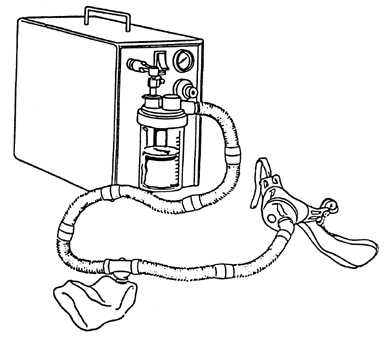
- Nebulizer bottles

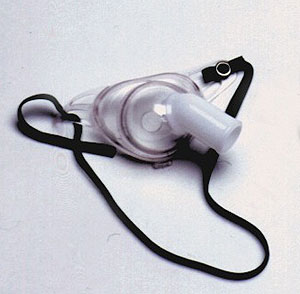
- Tracheostomy mask
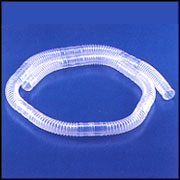
- Aerosol tubing
- Water trap

- Heat Moisture Exchanger (HME)

- Room humidifier
- Sterile water
- Mist heater (if ordered)
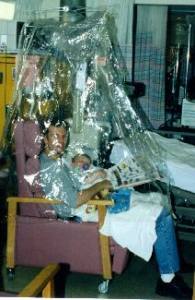
- Croup or mist tent (rarely ordered today)
Miscellaneous Supplies
- Hand washing supplies
- Cleaning supplies
- Mucus traps for sputum specimens
- Sterile or clean paper cups
- Tissues
- Manual resuscitation (Ambu) bag with mask and trach adapter

- Thermometer
- Stethoscope
- Disposable Gloves (powder free)
- Trach scarf or bib
- Rolled-up towel
Other Possible Equipment Needs
- Speaking valves

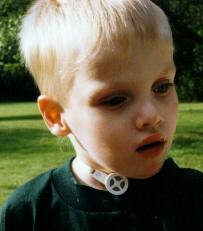
- Trach guard


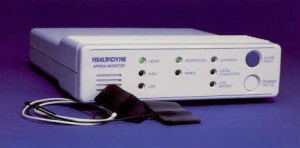
- Cardiac/Apnea monitor
- Pulse oximeter
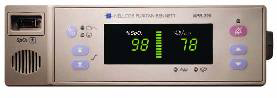
- Finger Pulse Oximeter for spot checks

- Oxygen

- Oxygen Concentrator

- Oxygen Supply tubing

- Ventilator
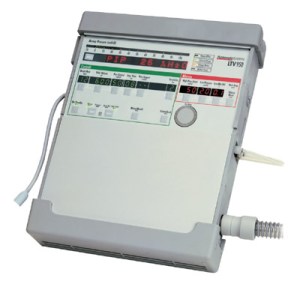
- BiPAP
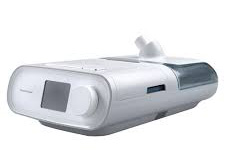
- Nebulizer Equipment (Aerosolized medication delivery system)
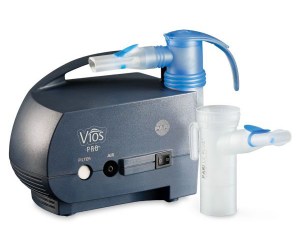
- AeroTrach Plus

- Pressure manometer to check trach cuff pressure on cuffed tubes
- Extra smoke detectors and a fire extinguisher suitable for electric as well as regular fires.
- Consider an emergency generator if you have frequent power failures.
- The Vest System airway clearance device
- Shower Shield
Travel Kit
Pack a bag to take with you whenever you take your child away from home. Some items are listed here, although the list should be modified depending on the child’s needs.
- Portable suction machine, connection tubing and suction catheters. Keep portable suction machine plugged in whenever possible to preserve battery charge. You may want to keep a suction catheter attached to machine for quick use if needed. Keep the suction catheter inside the packaging for cleanliness.
- Back up suction: DeLee catheter, syringe with catheter or bulb syringe
- Same size trach tube and one size smaller with obturator and ties (you may want to keep ties in place to save time in an emergency)
- Saline bullets
- Normal saline in a screw-on bottle
- Lubricant
- Blunt-nosed scissors
- Tweezers or hemostats
- Manual resuscitator (Ambu bag)
- Extra trach filters (HME)
- Tissues
- Shoulder roll
- Dressing supplies if needed
- Hand sanitizer (alcohol gel or foam)
- List of emergency phone numbers
- Note with child’s brief medical history
- Mobile phone if possible
Cleaning Equipment
Keeping respiratory equipment clean is essential for preventing respiratory infections. Many of the supplies used for tracheostomy care are intended to be disposable.
Note: Shiley package insert says: “The Shiley Tracheostomy Tube is classified as a disposable medical device. The manufacture recommends that the Tracheostomy Tube usage not exceed 29 days”
Cannula & Obturator can be cleaned with half-strength hydrogen peroxide, half-strength vinegar, normal saline, or water and mild detergent. After cleaning, thoroughly rinse with sterile saline to remove any cleaning solution residues. DO NOT SOAK CANNULA IN PEROXIDE.
However, sometimes in order to control cost, supplies must be washed and reused. While this is not always recommended, sometimes it is unavoidable. There are several different solution, techniques and frequencies for cleaning equipment. Check with the manufacture, equipment supplier or respiratory therapist for recommendations for your equipment. Following are some suggested routines for cleaning equipment. Wash your hands before and after cleaning equipment.
Tracheostomy Tubes
- Plastic tubes can be cleaned and reused, but this is not recommended. Check with the tube manufacturer for guidelines on reusing tubes. Do not boil or re-sterilize plastic tubes. Do not use harsh detergents for cleaning. Clean with mild soap and water using pipe cleaners to clean the inside, rinse, then soak the tube in hydrogen peroxide for several hours. Rinse, air dry and place in a sterile container. Inspect all tubes and dispose of tubes with cracks, tears, or decreased flexibility.
- Cuffed tracheostomy tubes cannot be reused.
- Metal tubes can be cleaned and reused. Clean metal tubes with soap and water using pipe cleaners. Rinse well. In a pan used only for trach tubes, boil tube parts for 15 minutes. Drain water, allow metal to cool and air dry. Then place in a sterile container. If you leave metal tubes soaking for long periods of time, this may cause pitting of the metal.
Suction Equipment
- Empty suction bottle, wash with soap and water, and rinse at least once a day. Replace disposable bottles once a week. For glass non-disposable bottles, sterilized once a week.
- Wash connecting tube daily with soap and water. Discard and replace suction connecting tubing weekly. Do not boil plastic connecting tubes.
- Suction catheters should not be cleaned and reused, however, if you must reuse them, wash catheters with soap and water and rinse. Use a bulb syringe to force soapy water and rinse water through the catheter. Rinse catheter in sterile water. Let the catheters dry on a clean paper towel. Store in a dry clean storage container or plastic bag. Dispose of the catheter if you cannot remove secretions or if the catheter is cloudy or cracked.
- Empty and clean, or replace solution containers daily.
- Clean bulb syringe with soap and water and rinse after each use.
Humidification Equipment
- Disassemble and clean nebulizer bottles and aerosol tubing 2 – 3 times a week. Replace as needed.
- Clean tracheostomy mask daily with soap and water.
- Clean the compressor filter once a week, more often if needed.
- Room humidifiers should be completely emptied, clean with soap and water, rinse and refill daily to prevent bacterial growth.
Other Equipment
- Velcro trach ties can be washed with soap and water. However, if you do clean and reuse Velcro ties, be sure the Velcro still holds securely after washing.
- Scissors, tweezers and hemostats can be cleaned with rubbing alcohol.
- There are new Heat Moisture Exchangers (HME) that are washable, but most are not. Dispose of soiled HME and replace daily and as needed.
- Swish speaking valves in warm water with mild soap. Rinse thoroughly in warm water and allow to air dry. Do not use Q-tips, vinegar, peroxide or bleach for speaking valves.
Miscellaneous Equipment Notes
- The physician who actually performed the tracheostomy surgery is responsible for ensuring that parents are adequately trained to care for their child at home.
- The hospital staff should have set protocols and check lists for parent training. Training is usually done by nursing staff and/or Respiratory therapists. Some Hospitals have a specific nurse responsible for tracheostomy care training.
- The home medical supply company should provide complete instructions and hands on training in the care and operation of all equipment. Be sure you receive detailed and explicit instructions and are comfortable with home medical equipment. These companies often have a respiratory therapist on staff to answer questions. You should also consult your child’s otolarygologist, pulmonologist, or pediatrician.
- The noise from the equipment (such as air compressors, suction machine, O2 concentrators and ventilators) is sometimes difficult to adjust to. Children quickly get used to this ‘white noise’ and may even have trouble sleeping without the noise. Depending on your home setup, you can try placing the air compressor in the hallway or closet to muffle some of the noise and run the aerosol tubing out the door. Be sure that there is plenty of empty space around compressor for proper ventilation, so that the machine does not overheat!
- Depending on the type of equipment your child needs, you may notice a significant increase in your electric bill.
- For extended trips, ask your medical supply vendor for the name and number of a local vendor in the area to which you are going, so you can get equipment if needed. You may also want to ask your doctor for a physician referral in that area.
- Check with the RMV (Registry of Motor Vehicles) to see if your child qualifies for a handicap placard or sticker. This is helpful when dealing with a child with special needs, plus equipment such as suction machine, O2 tanks, etc.
- Check equipment supply stock weekly.
 Aaron's Tracheostomy Page